Remains of a Walked Path, 2019
Polaroid Series – 14 Pieces
Diren Demir
Paulo Chelo’s novel “Hippie” tells the adventure of Paulo and Karla, starting from Amsterdam and going to Kathmandu. Diren took this book with them on their journey to India and read it on the opposite route towards Amsterdam. As the book tells the world of the 1970s through Paulo’s eyes, it maintains two main locations: Istanbul and Amsterdam. During the Be Mobile Create Together residence program, Diren pursues these impressions by linking these two cities together, documenting the individual memory spaces that Paulo and Karla have been in Amsterdam and Istanbul, with Polaroids. The “Remains of a Walked Path” series reveals the destruction, transformation and traces left in the memory spaces of history. Some of these areas have now disappeared, some have changed their function, and some are the same as they were in the 70’s.

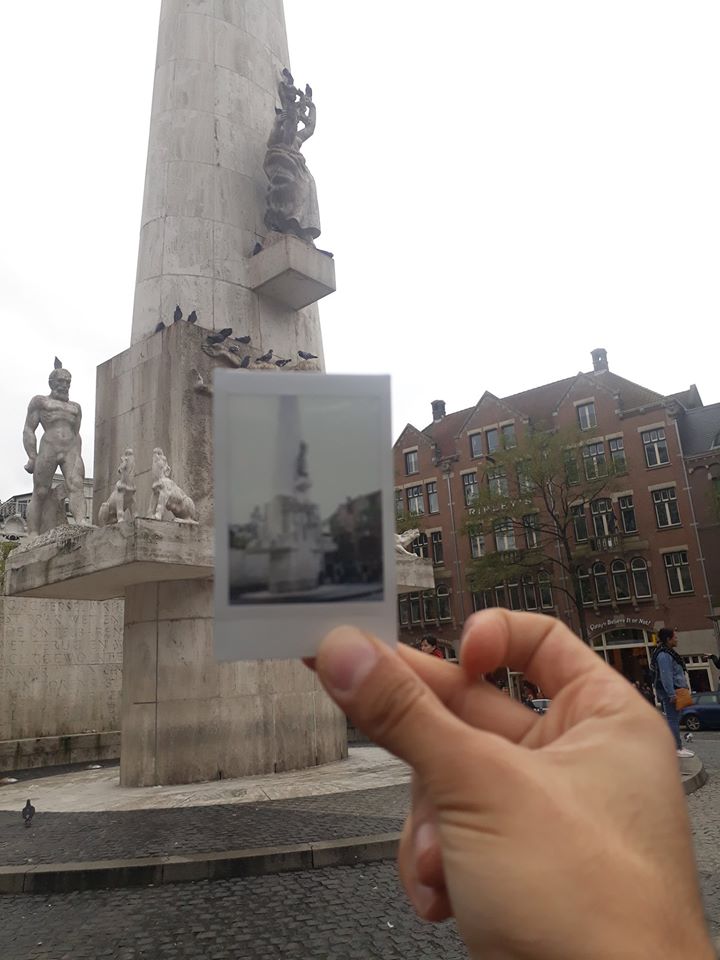
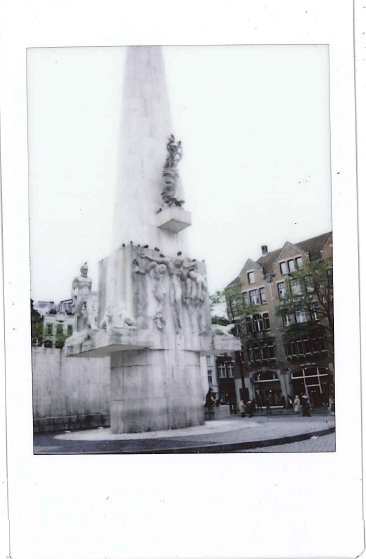
Obelisk
“In September 1970 there were two places vying for the honour of being the centre of the world: Piccadilly Circus in London and Dam Square in Amsterdam…”
pg. 19
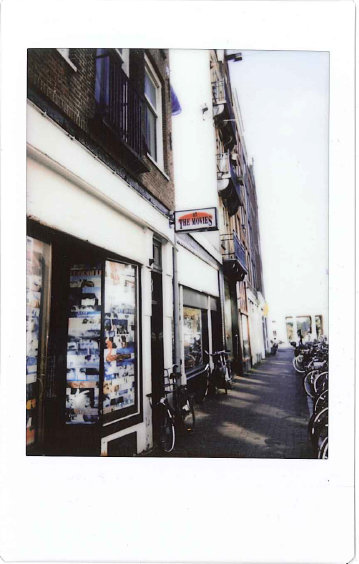
The Movies
“Karla didn’t spend the whole afternoon sitting on Dam Square, because it started to rain and the fortune-teller said that the person she was waiting for would come the next day. She decided to go to the cinema. She was going to see 2001: A Space Odyssey, even though she was not interested in science fiction films, she had heard from everyone that this film was a masterpiece…”
pg. 63
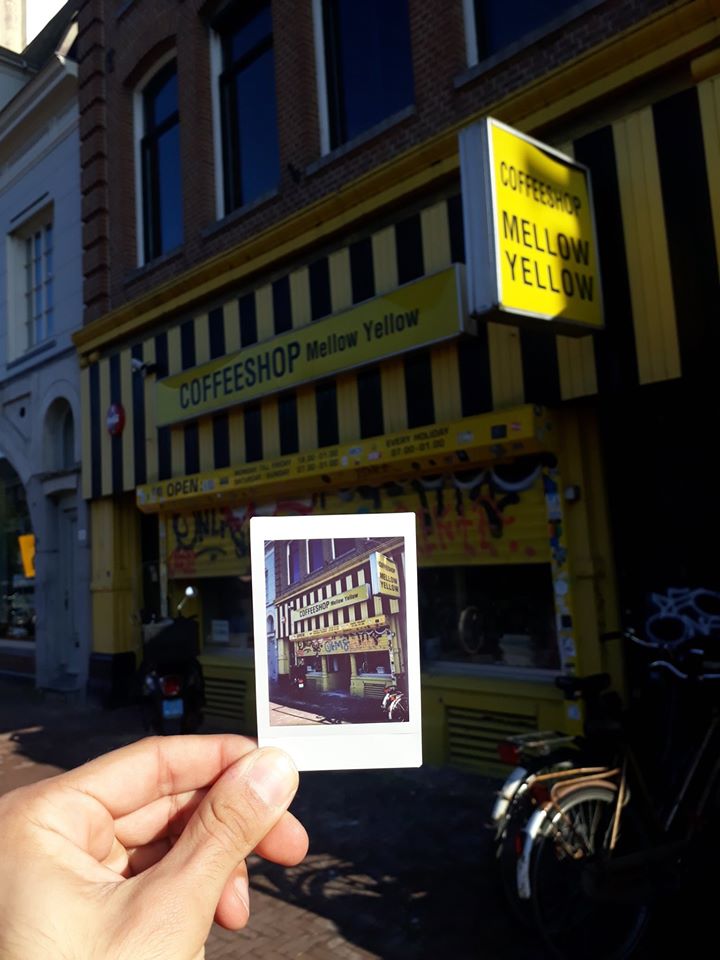
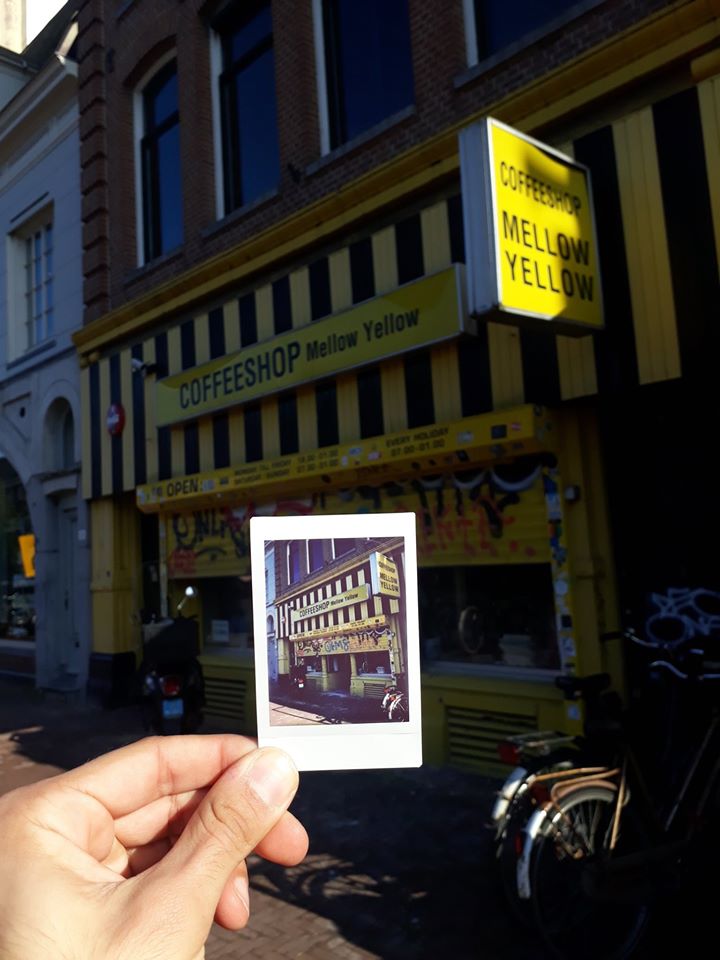
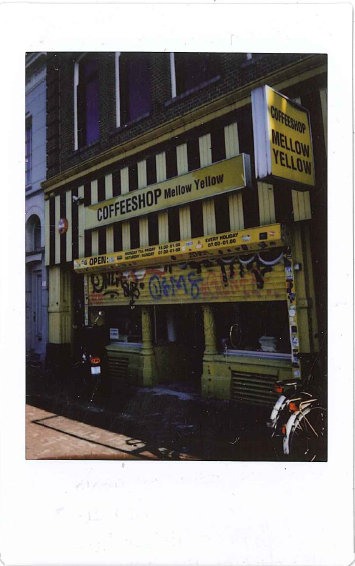
Mellow Yellow
“Karla went into one of the so-called coffee shops, which sold all kinds of hashish and hashish, but instead of buying drugs she decided to have a coffee and talk to one of the customer girls. She was Dutch like herself, looked like she had lost her way and was drinking coffee. Her name was Wilma. They talked about going to Paradiso, but soon changed their minds, as it was now considered an old-fashioned place, and the same was true for the drugs sold there. Interesting for tourists, boring for people who already had easy access to what was on offer.”
pg 64

Royal Palace
“Although he was doing nothing, he was extremely busy, watching the building across the square and the hippies around him. He must have wanted to strike up a conversation with people, but it was clear from his eyes that he was shy – extremely shy…“
“…He turned his attention back to the building in front of him, a truly marvellous piece of architecture. Europe on 5 Dollars a Day said it was a royal palace built on 13,659 piles (although the same guidebook said that the whole city was built on piles, although not many people knew it). There were no guards at the kopi, caravans of tourists, long queues… These were the kind of places Paulo would never set foot in during his time there…“
pg. 70 / 72
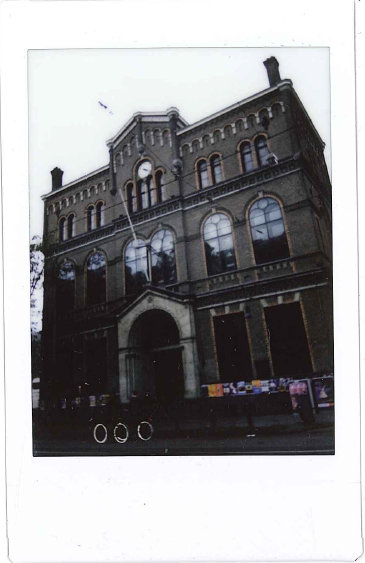
Paradiso
“The building of the nightclub to which Karla invited herself – with a suggestive name like Paradiso – was actually a… church. A church from the nineteenth century. It had been built to serve a local religious community, and although the congregation advocated a reformation on top of the Luther Reformation, by the 1950s the church had little attendance. In 1965, when the maintenance costs of the building became too high, the last of the faithful left the building, and the hippies who occupied the space two years later organised debates, workshops, concerts and political activities in the main hall. Soon the police expelled the hippies and the building remained empty for a while, and then one day the hippies returned in large numbers. The police had to use violence to solve the problem or let it go. After a meeting between representatives of the deviant longhairs and well-dressed municipal officials, permission was granted to build a stage on the site of the old altar. They could stay as long as they paid taxes for every ticket thrown away and didn’t break the stained glass windows at the back of the building…“
pg. 91
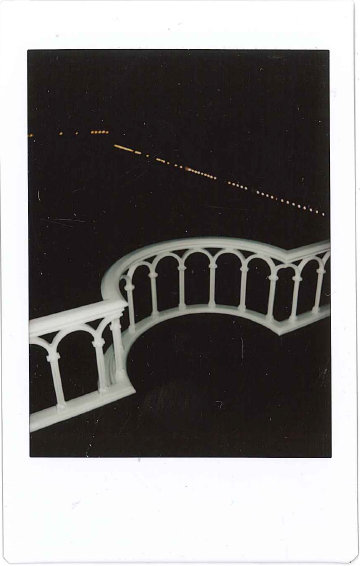
Paradiso’s Balcony
“They went out on one of the balconies around the main hall. By a miracle of acoustics, the sound was reduced on the balcony, so they could chat a little without being disturbed by the excessively loud music below. But neither of them felt like talking. They leaned against the wooden railings on the edge of the balcony and watched the people dancing below…”
pg. 93
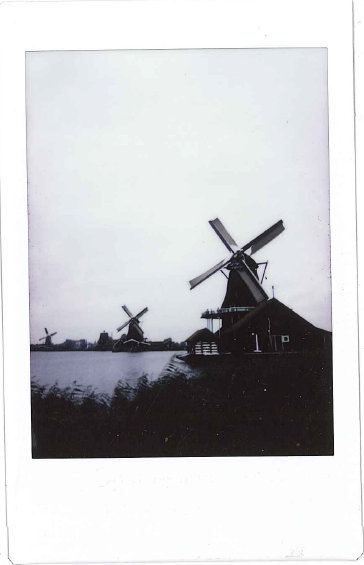
Windmills
‘At last they reached the windmill. In front of the windmill, a caravan of tourists listened to their guide: ‘…the oldest of the mills is from -an impossible name to pronounce-, the highest is from -an impossible name to pronounce-, they were used to grind corn, coffee beans and cocoa, to produce oil, they contributed to our sailors who transformed timber into ships, thus transporting us to distant seas and enabling the expansion of the empire…’
pg. 112
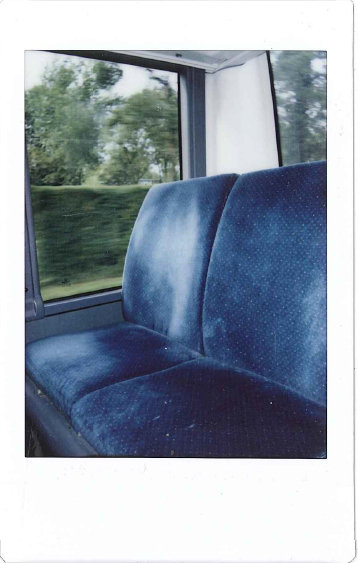
Going Back
‘At one of the stops on their way back, a woman got on the bus, put on an armband with the words ‘official’ on it and started checking the tickets one by one. When it was Paulo’s turn, Karla looked away. ‘I don’t have a ticket,’ Paulo said. ‘I thought the bus was free…’
pg. 112
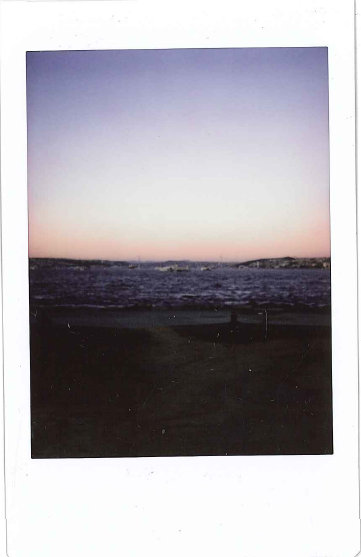
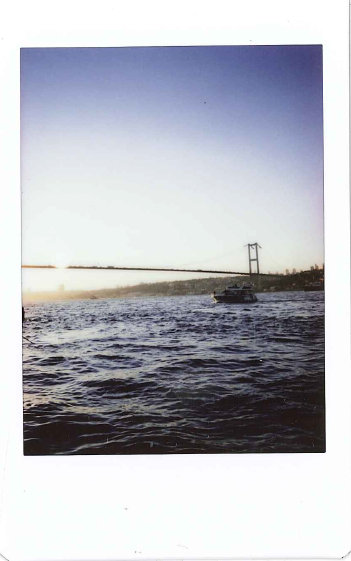
Gulhane Coast
‘Karla’s destination was not in any tourist guide, at least in theory. She landed on the shore of the Bosphorus and watched the red bridge stretching from Europe to Asia. A bridge! A bridge that connects two continents that are as far apart as possible! After smoking cigarettes one after the other, when she pulled down the straps of her modest blouse a little to sunbathe, a few men appeared next to her and tried to open a conversation, she had to change her clothes and change places.’
pg. 176
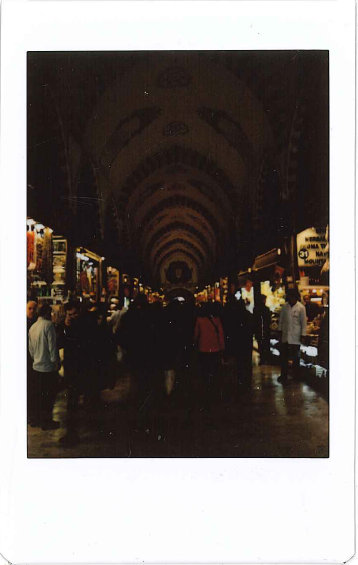
Spice Bazaar
‘…After much searching, he managed to find a Sufi centre, but he did not expect to meet dancing dervishes there. In order to achieve his goal, he went to the bazaar – where he could not meet Karla – and began to imitate the sacred dance, calling passers-by ‘dervish’. Most people laughed at him, some thought he was crazy and passed by him to avoid hitting his flailing arms…’
pg. 184
First Restaurant
‘The bus they got on veered off the bridge. They crossed the Bosphorus without making a sound, in awe as if it was a religious ritual. They got off at the first stop and walked down to the shore of the Asian side. There were five or six restaurants with linoleum-covered tables by the sea. They sat in the first restaurant. They watched the view stretching out before them, in this city the monuments were not illuminated like in Europe…’
pg.219
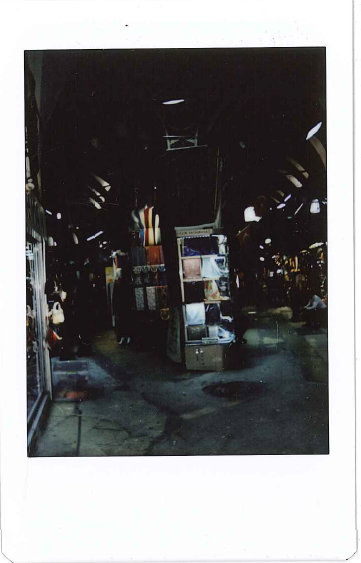
Corridor
‘…Although they had read the brochure, they were not prepared for what they were about to encounter: thousands of people crammed into the corridors, fountains, restaurants, prayer rooms, cafes, rugs, finely wrought gold jewellery of the kind that can only be found in the most luxurious shops in France, clothes of all kinds of fabrics and colours, shoes, carpets of all kinds, artisans going about their business without paying any attention to passers-by…’
pg. 239
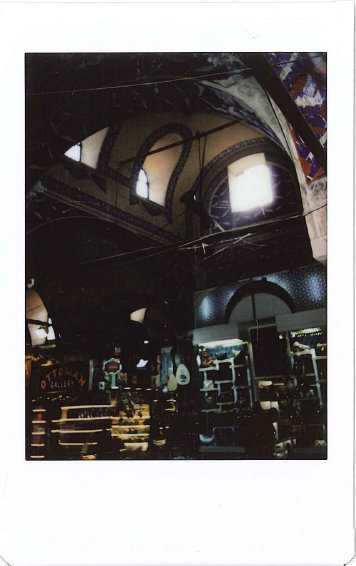
LSD and Beams
‘Karla noticed that Marie’s eyes were fixed on the ceiling; she was looking at the beams, the domes, and after a while she started to smile and all she could say was, ‘Magnificent… magnificent….’’
pg. 240
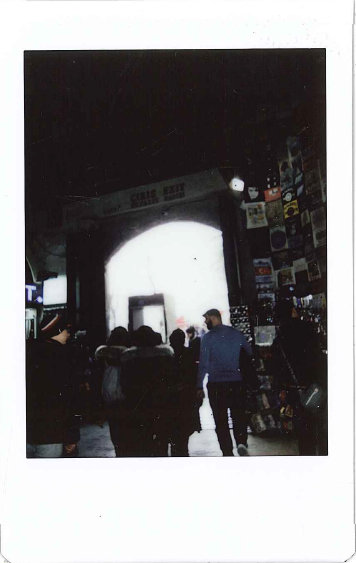
Exit
‘Why did we leave the temple?’ Karla looked sideways at Marie. ‘I know it’s not a temple, it’s a metaphor. I know my name, I know yours, I know what city we’re in and where we’re going – we’re in Istanbul, but everything looks different to me, like…’ It took her a few seconds to find the words she was looking for. ‘… it’s as if I’ve passed through a door and left behind everyone I’ve ever known, my worries, depressions and doubts. Life seems simpler, but at the same time richer, more joyful. I am free.’
pg. 244
 Diren Demir