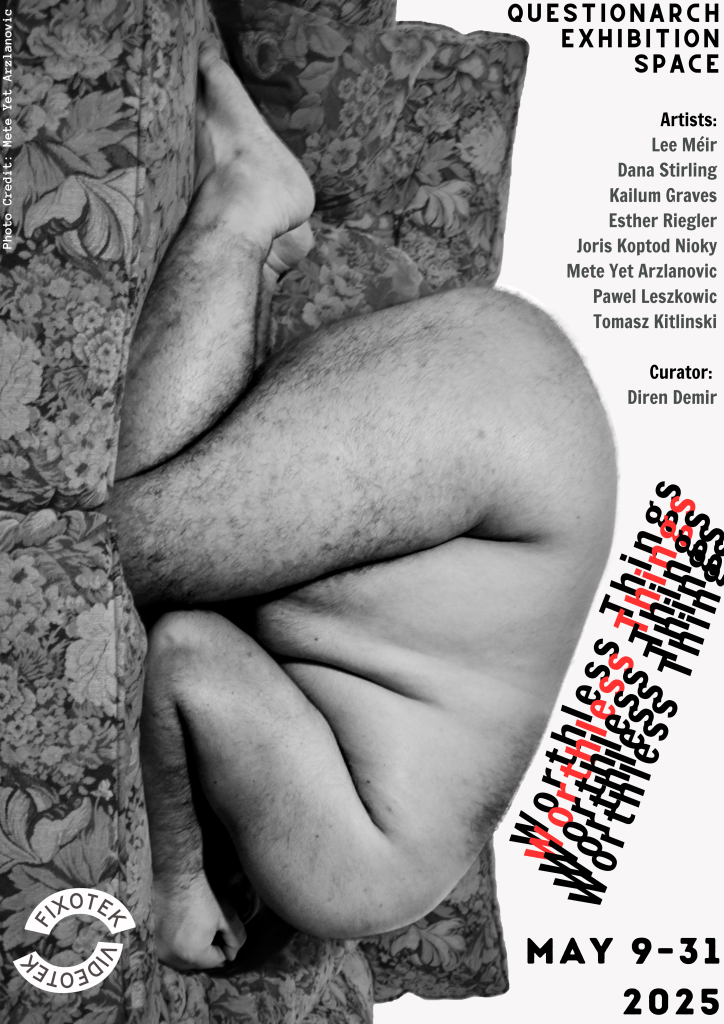
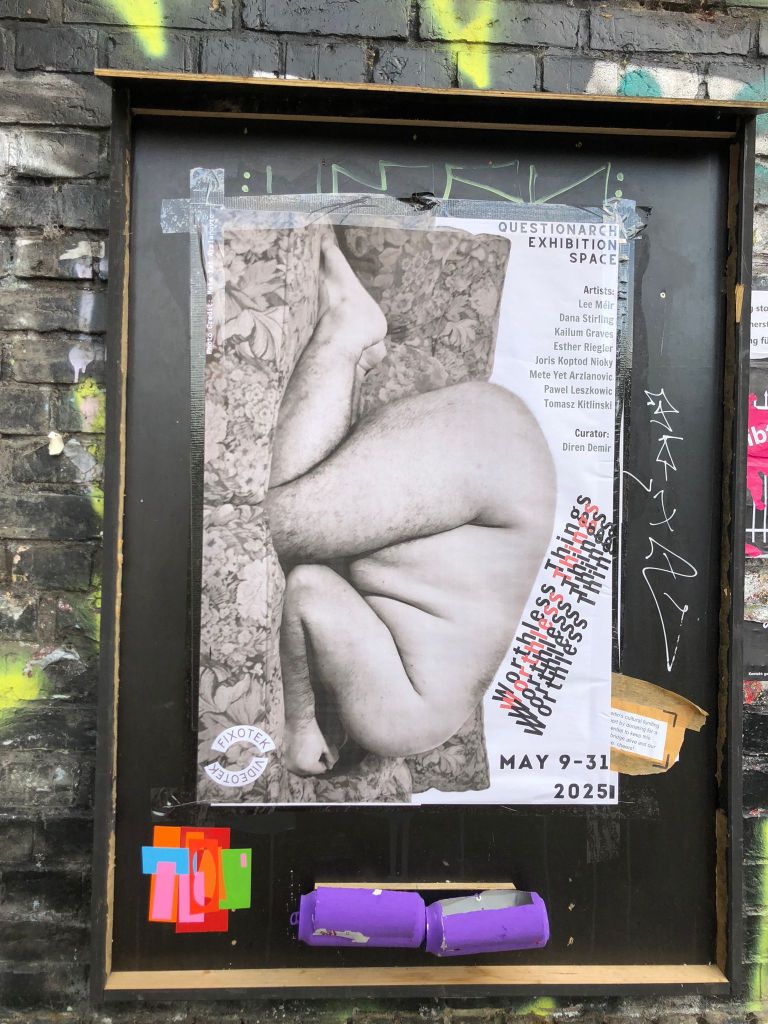
Worthless Things
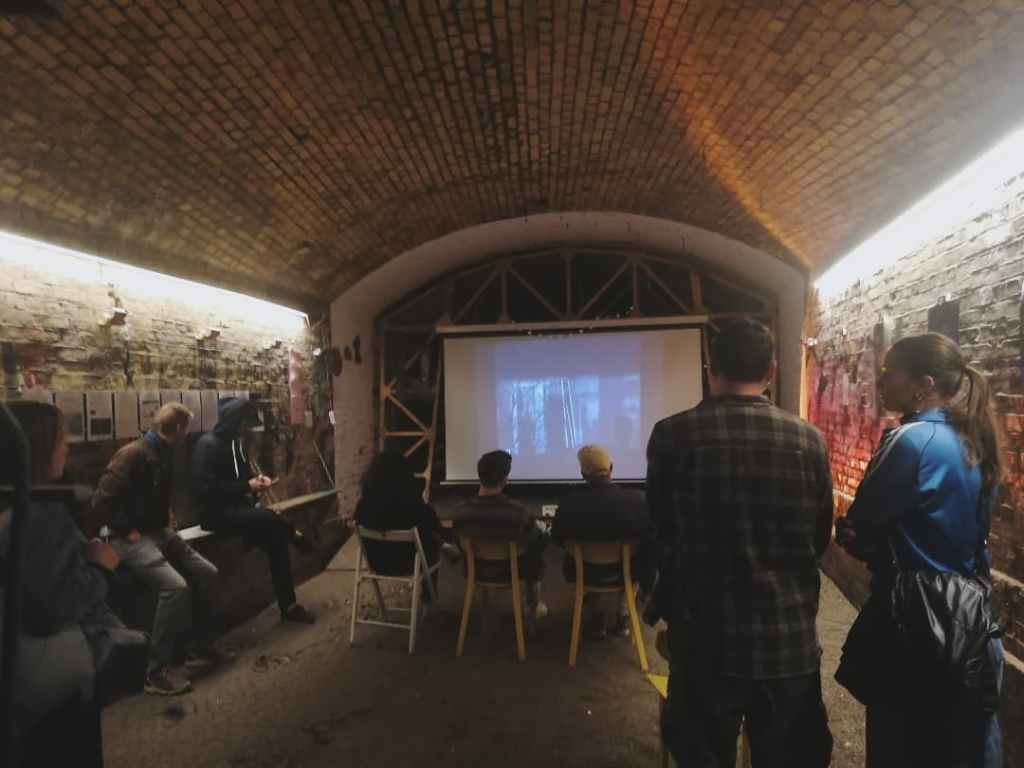
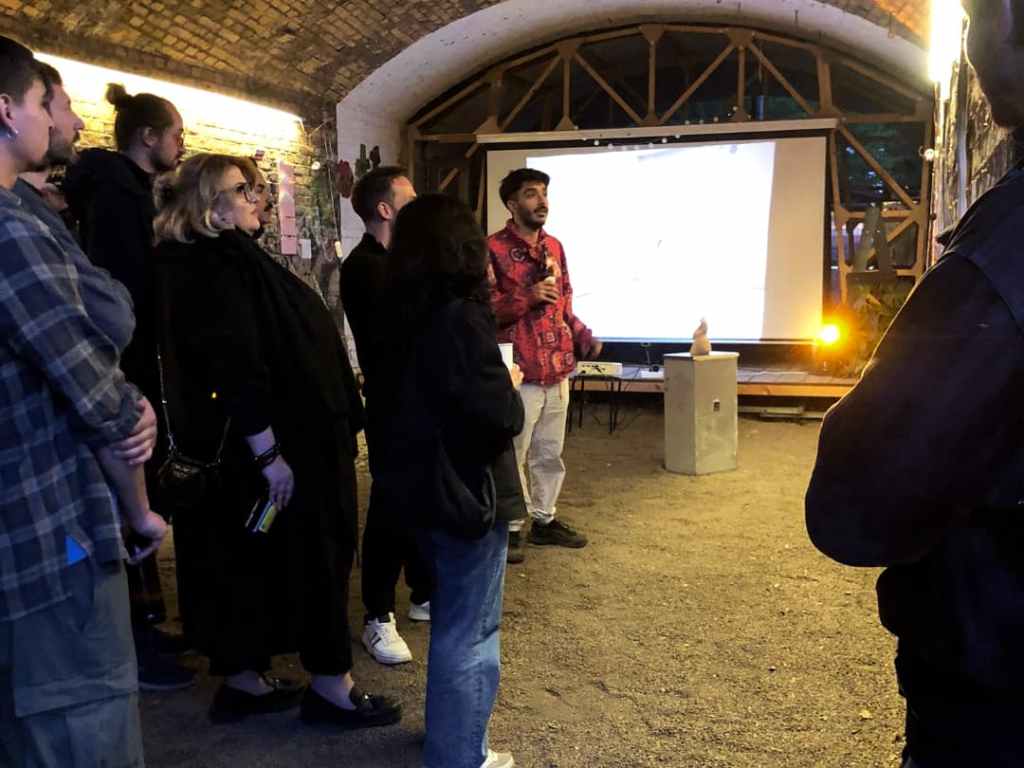
9-31 May 2025, Fixotek Berlin
Curator: Diren Demir
Artists: Esther Riegler, Dana Stirling, Kailum Graves, Lee Méir, Joris Koptod Nioky, Mete Yet Arzlanovich, Pawel Leszkowic & Tomasz Kitlinski
“Worthless Things” explores organic pathways to healing from the artificial fears instilled by the hyper-competitive art industry. Perfectionism, inadequacy, and self-doubt are not intrinsic to creative practice, yet they are systematically imposed on artists, scholars, and cultural workers. The relentless pursuit of excellence, rather than being a natural extension of creative drive, is often a conflict engineered, reinforced, and quietly sustained by institutional structures.
“Worthless Things” seeks to challenge the aesthetic hierarchies entrenched in classist structures, interrogating an art industry that dictates the definition of “success” and weaponizes it against those who refuse or fail to conform.
The exhibition examines personal and systemic failure, along with the pervasive phenomenon of Imposter Syndrome, through both political and psychological lenses. It critically deconstructs the manufactured erosion of artistic identity, questioning the extractive environments that reduce creative potential to a marketable commodity.
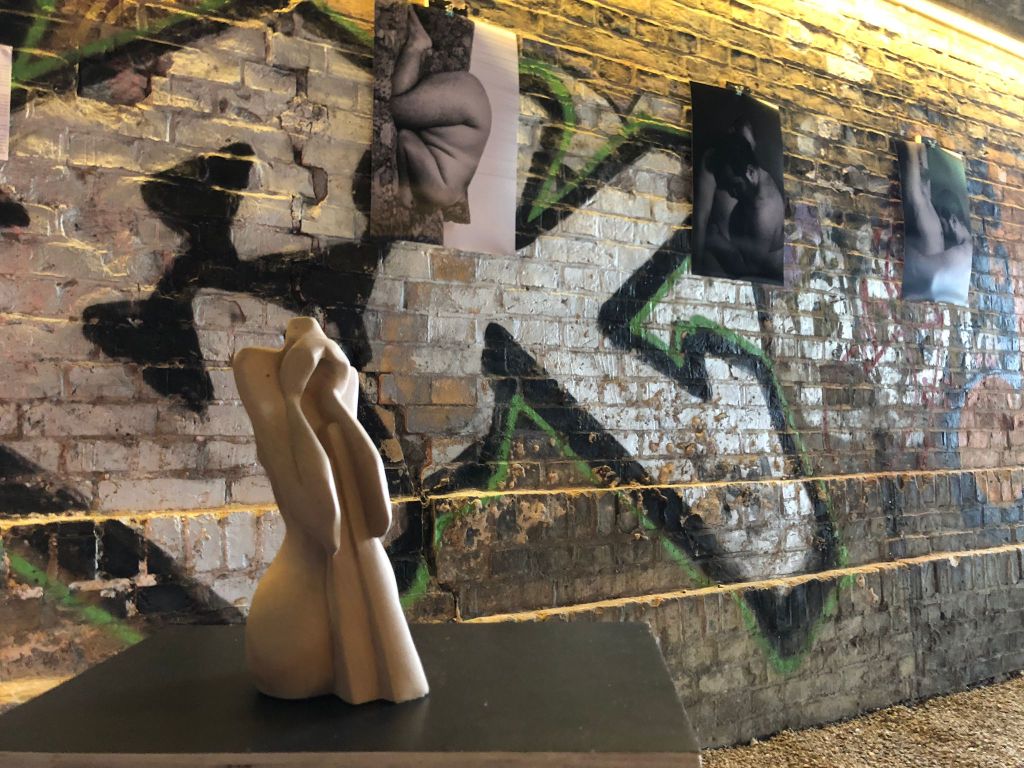
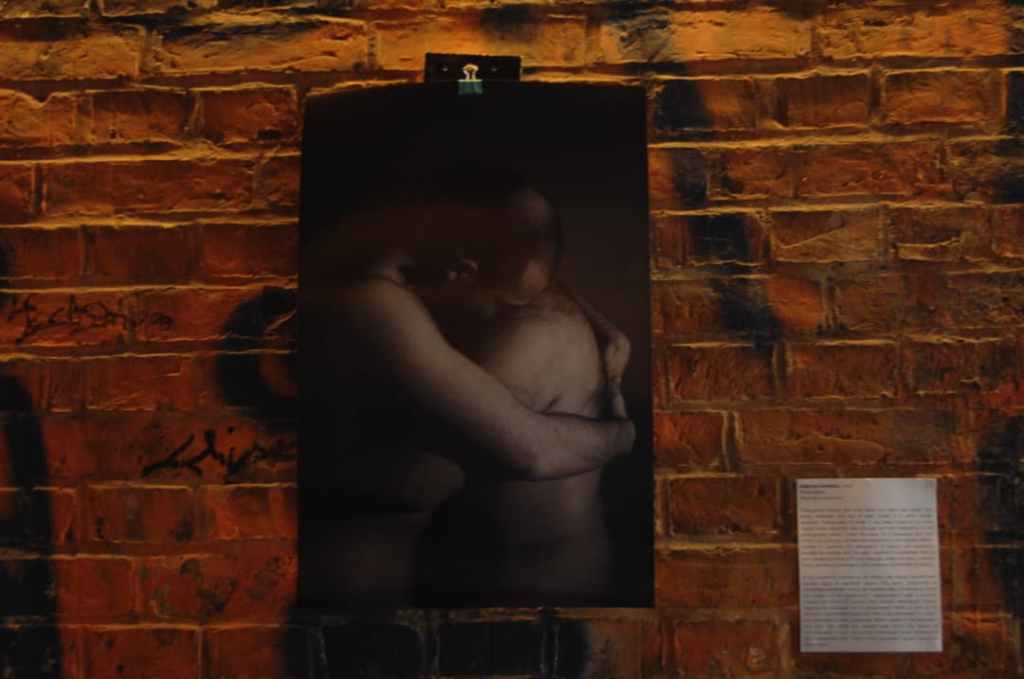
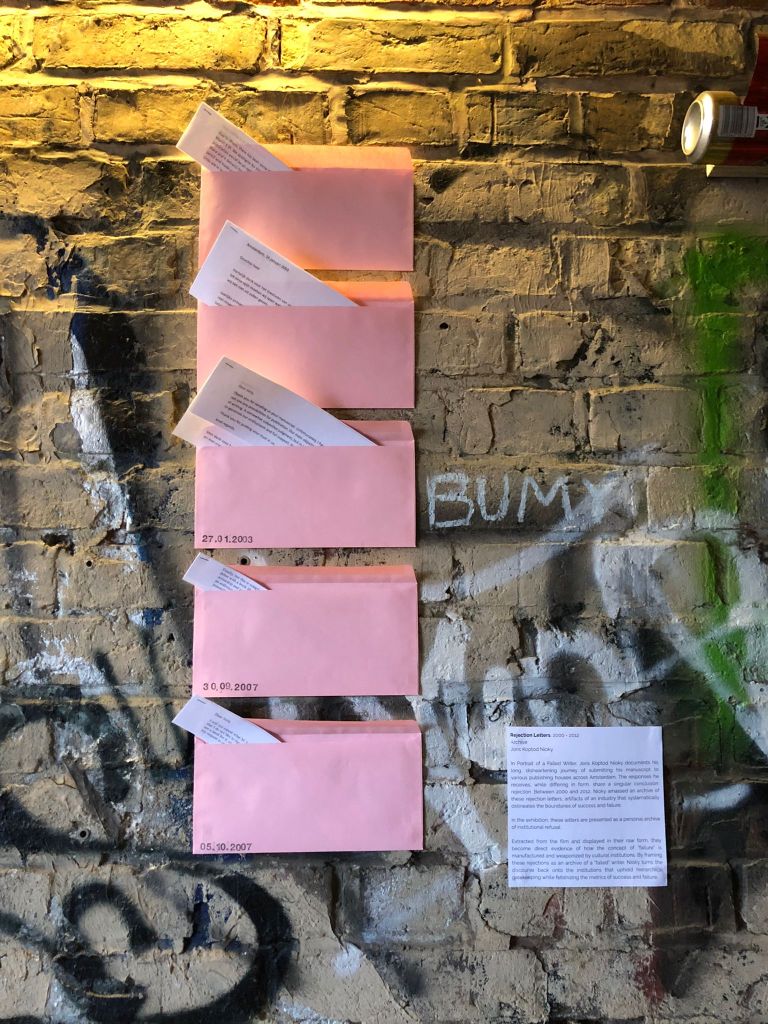
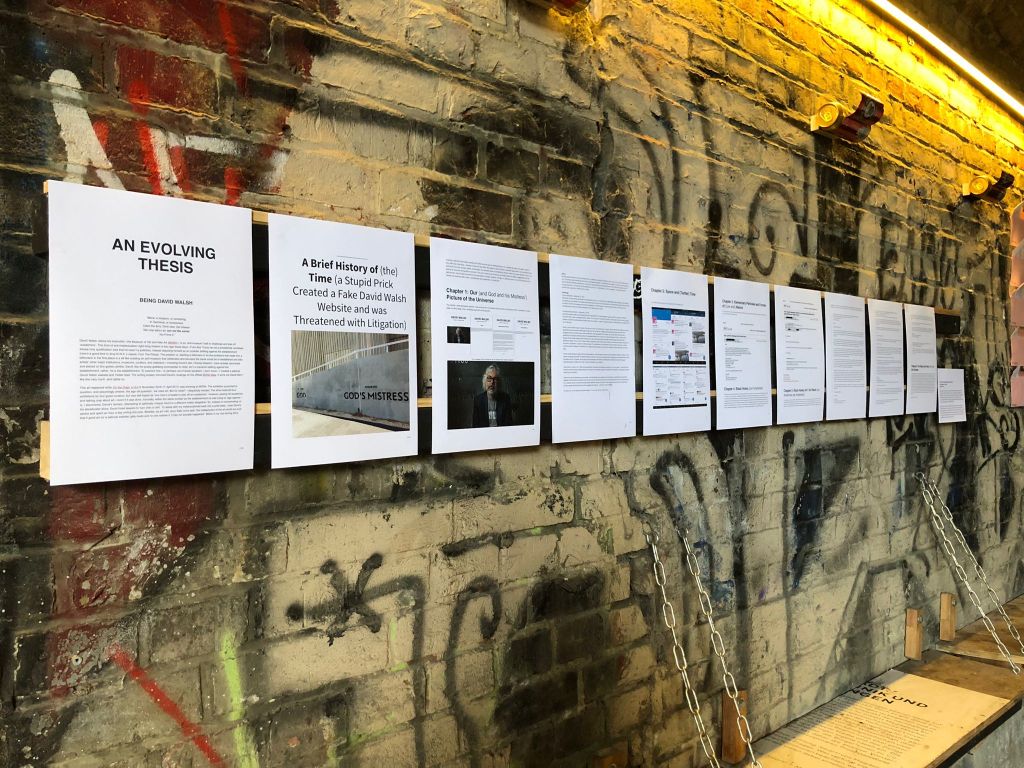
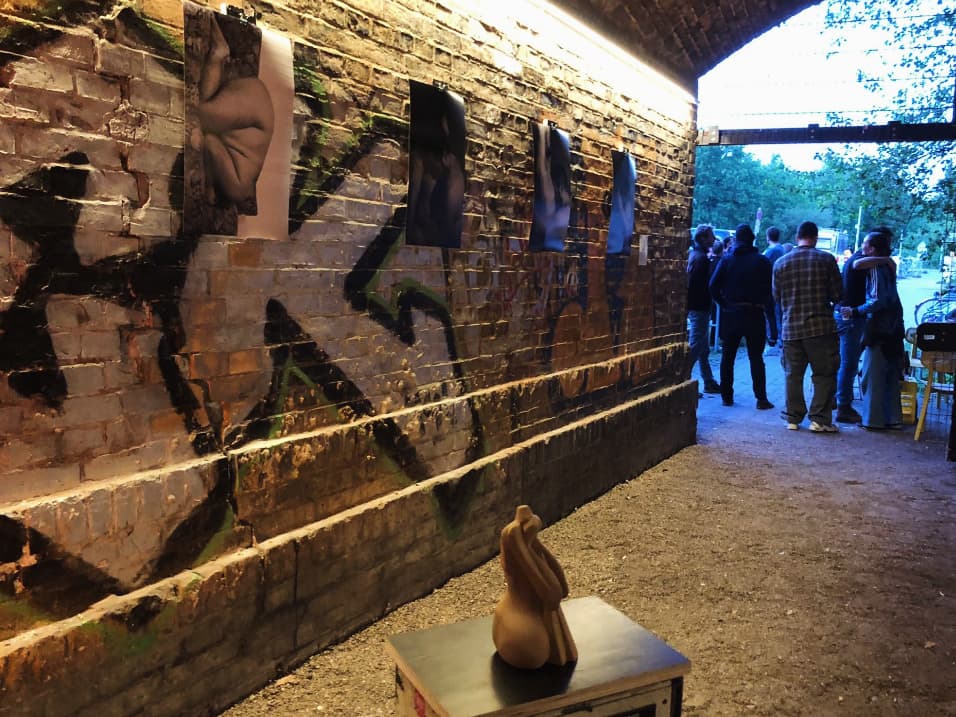
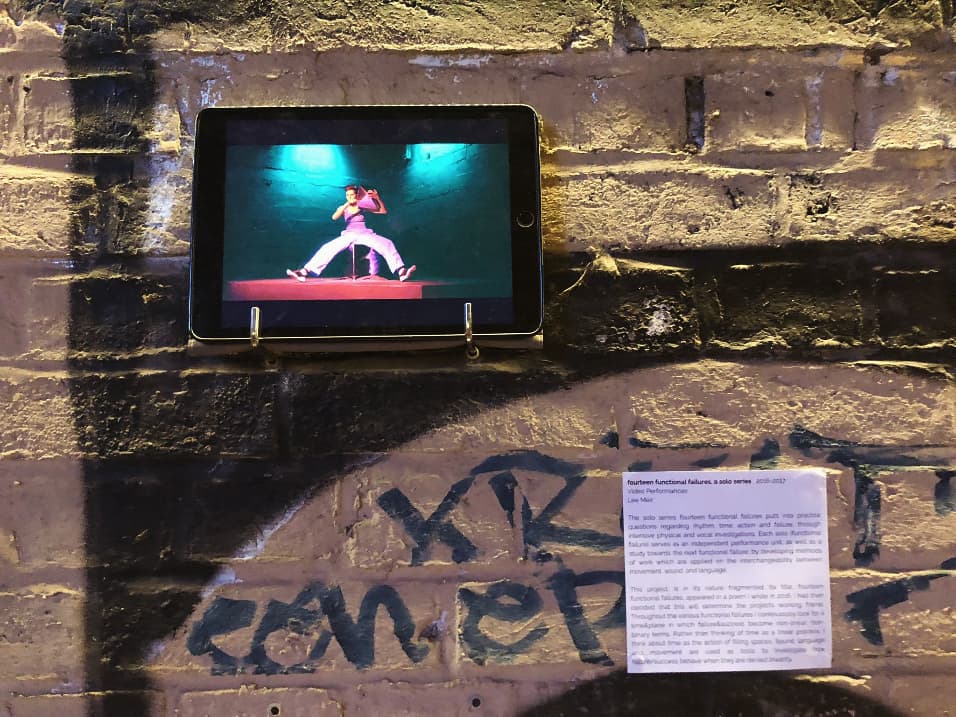
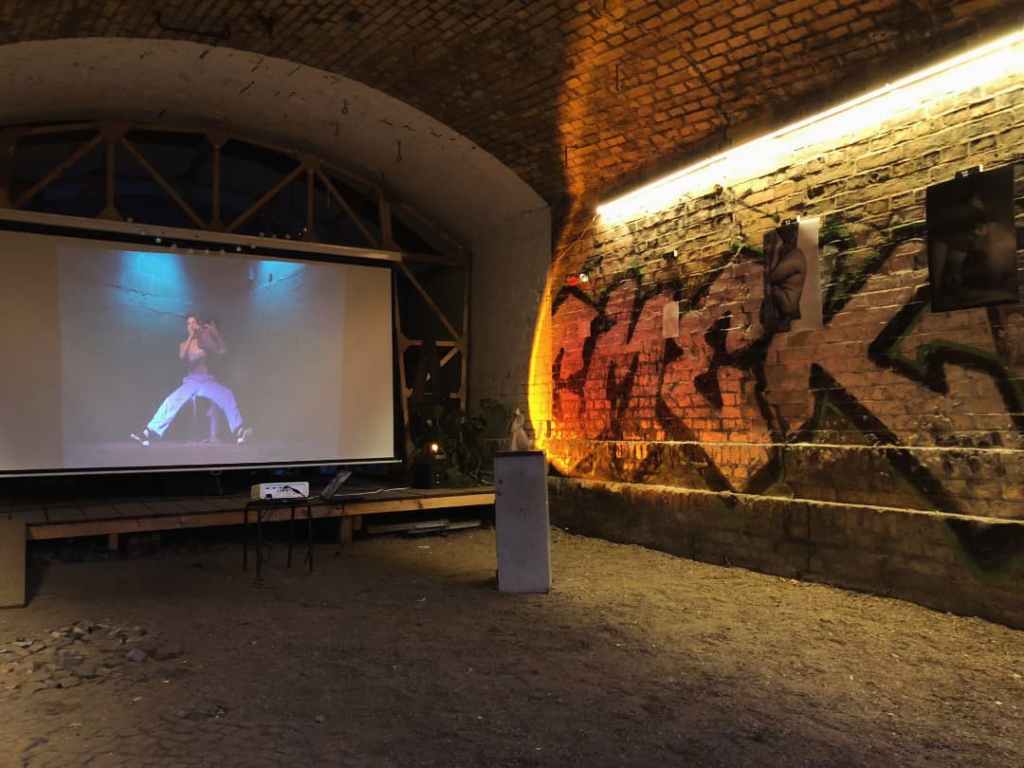
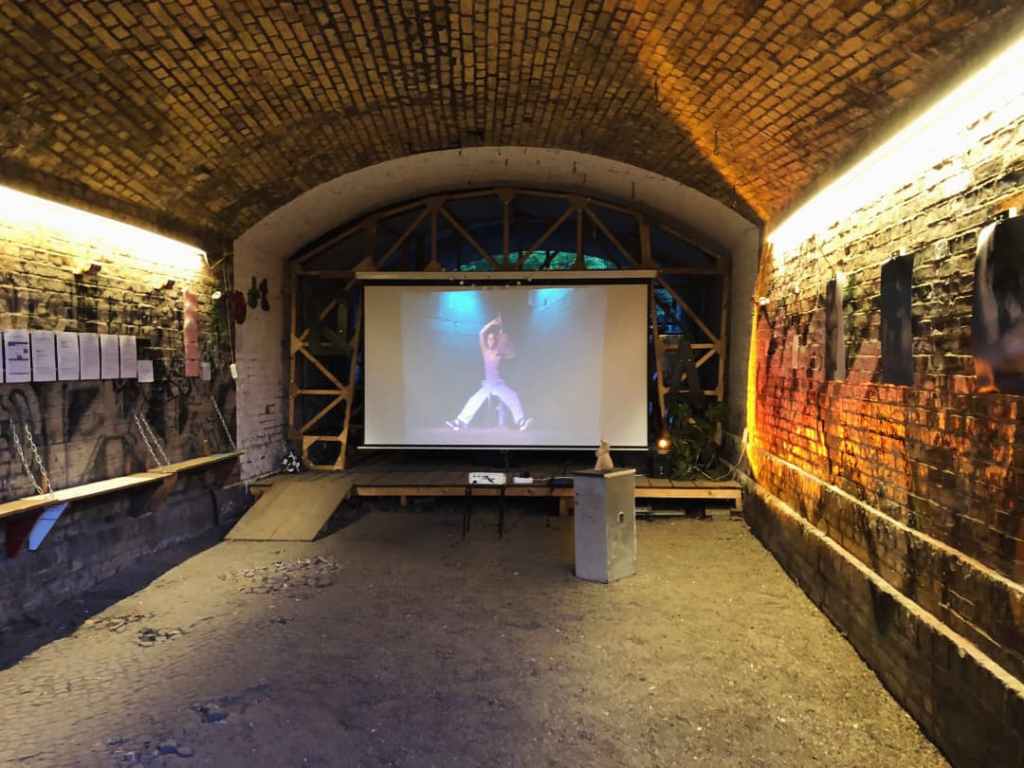
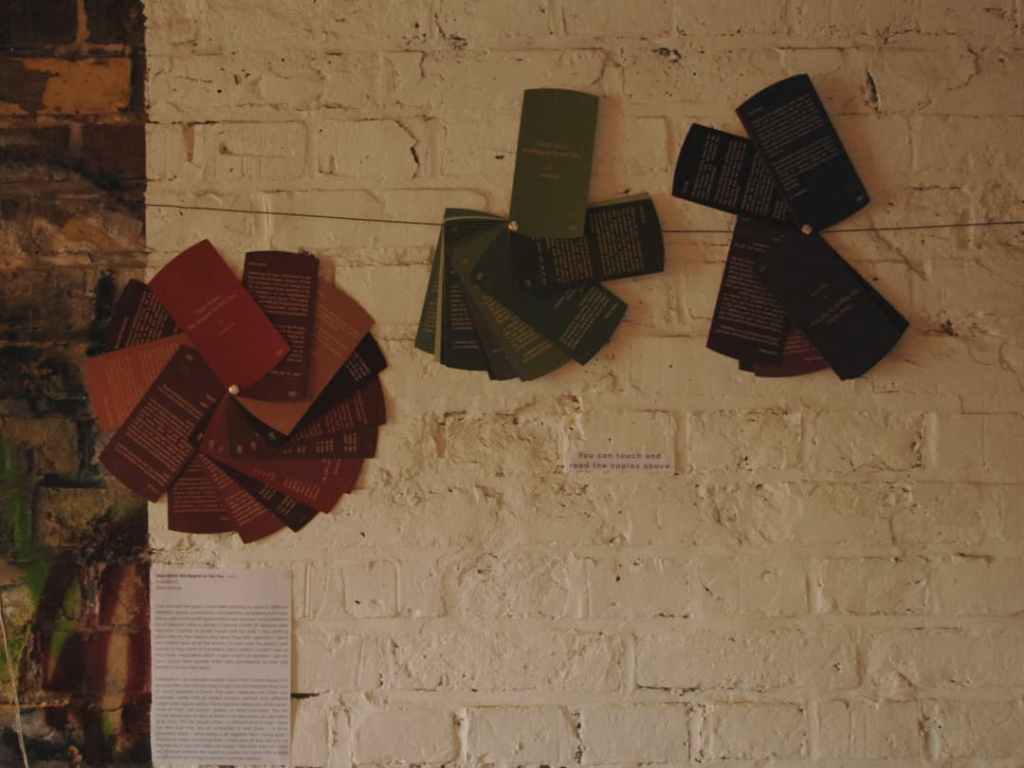
By bringing together unfinished, undervalued, and rejected works, “Worthless Things” proposes a new aesthetic of refusal against the imposed legitimacy of cultural production. It explores the politics of unwanted art, reframing failure as a generative force that resists the colonization of the creative mind. In doing so, the exhibition positions failure as an artistic weapon and a counterforce against the conventions imposed by the institutionalized art world, which generates doubt and self-negation as disciplinary tools. Within this framework, failure is reclaimed as a site of radical agency and intellectual liberation.
Worthless Things, aims to be a space of collective reclamation, a counter-archive of defiant creativity that seeks to dismantle the illusion of meritocracy, carving out room for new solidarities beyond the exploitative machinery of cultur industry.
Diren Demir


 Diren Demir